October 9, 2026
Why a Gloss Car Wrap Might Be the Upgrade Your Car Needs
By @myglosscarwrapnest
I have been around car wraps long enough to know that the finish matters just as much as the colour. When someone tells me they are thinking about wrapping their car, the first thing I ask is whether they want a matte or a gloss finish. Most people hesitate because they have not seen both side by side in person. I have, and I can tell you the difference goes beyond looks. It changes how the car behaves in the sun, how dirt shows, and how long the wrap lasts. If you are in Singapore, where the sun is relentless and the rain comes without warning, picking the right finish is not just a style choice. It is a practical one.
Let me walk you through what a gloss car wrap actually does, what it does not do, and why you might want one for your own car. I will also touch on the materials and the process, because knowing what goes into the wrap helps you make a better decision when you finally get that free quote from a shop.
What Makes a Gloss Car Wrap Different
A gloss car wrap uses a vinyl film with a shiny, reflective surface. When light hits it, the finish bounces back cleanly, giving the car a wet, deep look that mimics fresh paint. That is the main appeal. If you have ever seen a car that looks like it just came out of a showroom, there is a good chance it was wrapped in gloss, not painted. The difference is that a wrap is removable and protects the original paint underneath, whereas paint is permanent and costs a lot more.
I have wrapped cars in matte black, pearl white, and even chrome wrap, but gloss finishes remain the most popular among owners who want their car to look rich without the commitment of a respray. The material itself is usually a PVC vinyl, often from brands like 3M, Avery Dennison, or Oracal. Among these, 3M dominates the premium segment with their 3M 1080 series, while Avery Dennison offers the Oracle 751 series, which is known for its conformability on curved panels. Oracal is a solid mid-range option. Each brand has its own gloss level and durability, so your choice matters.
Gloss vs Matte vs Satin
People often confuse gloss with satin or matte. A gloss car wrap is the shiniest of the three. Matte finish absorbs light and looks flat, almost like chalk. Satin wrap sits somewhere in between, with a soft sheen that is not as reflective as gloss but not as dull as matte. Each has its place. Matte black looks aggressive and stealthy. Satin wrap looks understated and modern. Gloss looks classic and vibrant.
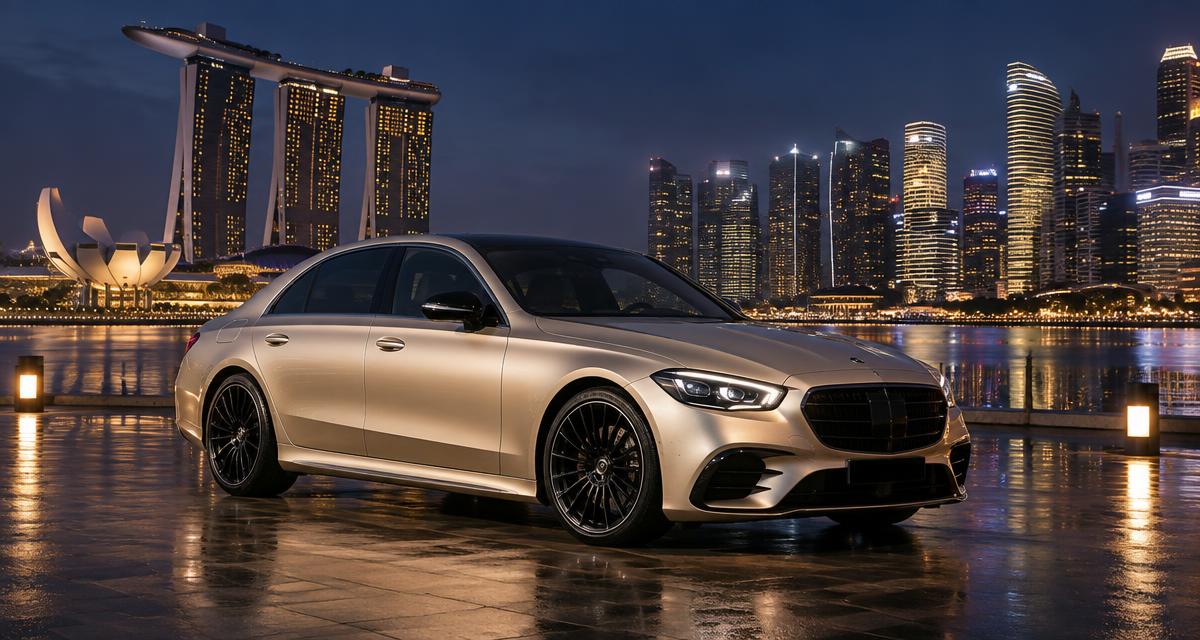
I once wrapped a friend's sedan in matte black because he wanted a military look. It turned out great, but he complained that fingerprints showed easily and the car got hot faster under the Singapore sun. Gloss does not have that problem as much. The smooth surface sheds dirt and water better, and it reflects heat instead of absorbing it. That makes a real difference when you park outside.
Materials Matter: What Goes Into a Good Gloss Wrap
Not all gloss wraps are the same. The base vinyl determines how the wrap performs over time. Cheap vinyl from no-name brands will fade, crack, or peel within a year, especially in a tropical climate like Singapore. Premium vinyl from 3M, Avery Dennison, or Oracal is formulated to resist UV rays and temperature swings. The 3M 1080 series, for example, has a built-in air release system that makes installation easier and reduces bubbles. Avery Dennison's Oracle 751 is slightly thicker and more forgiving on complex curves.
On top of the vinyl, you need a laminate. A laminate is a clear protective layer applied over the coloured vinyl. It shields the gloss car wrap from scratches, bird droppings, and tree sap. Without laminate, a gloss finish will dull over time because the vinyl itself is soft. I always tell people to ask their installer whether laminate is included. If it is not, pay for it. It doubles the lifespan of the wrap.
Tools like a heat gun and a squeegee are standard for any wrap installation. The heat gun softens the vinyl so it stretches over compound curves, like around the bumper or door handles. The squeegee pushes out air and ensures the vinyl sticks flat. A good installer will also use a knife with a non-stick blade to avoid scratching the paint underneath. These details separate a professional job from a DIY wrap.
DIY Wrap: Proceed with Caution
I get asked all the time whether someone can wrap their own car at home. The short answer is yes, but the long answer is that you will probably end up with bubbles, wrinkles, and lifted edges. I have tried it myself. I bought a roll of Oracal vinyl, watched a few tutorials, and spent a weekend wrapping my own side panels. It looked okay from ten feet away, but up close, the seams were visible and the vinyl did not stick well around the wheel arches. I ended up paying a professional to redo it.
If you still want to try a DIY wrap, use a Cricut to cut precise shapes for small parts like emblems or door handles. Cricut machines are great for intricate cuts, but they are not meant for full panels. For a full car wrap, leave it to someone with experience. The money you save on labour is not worth the ruined material and wasted time.
How to Choose the Right Gloss Car Wrap for Your Car
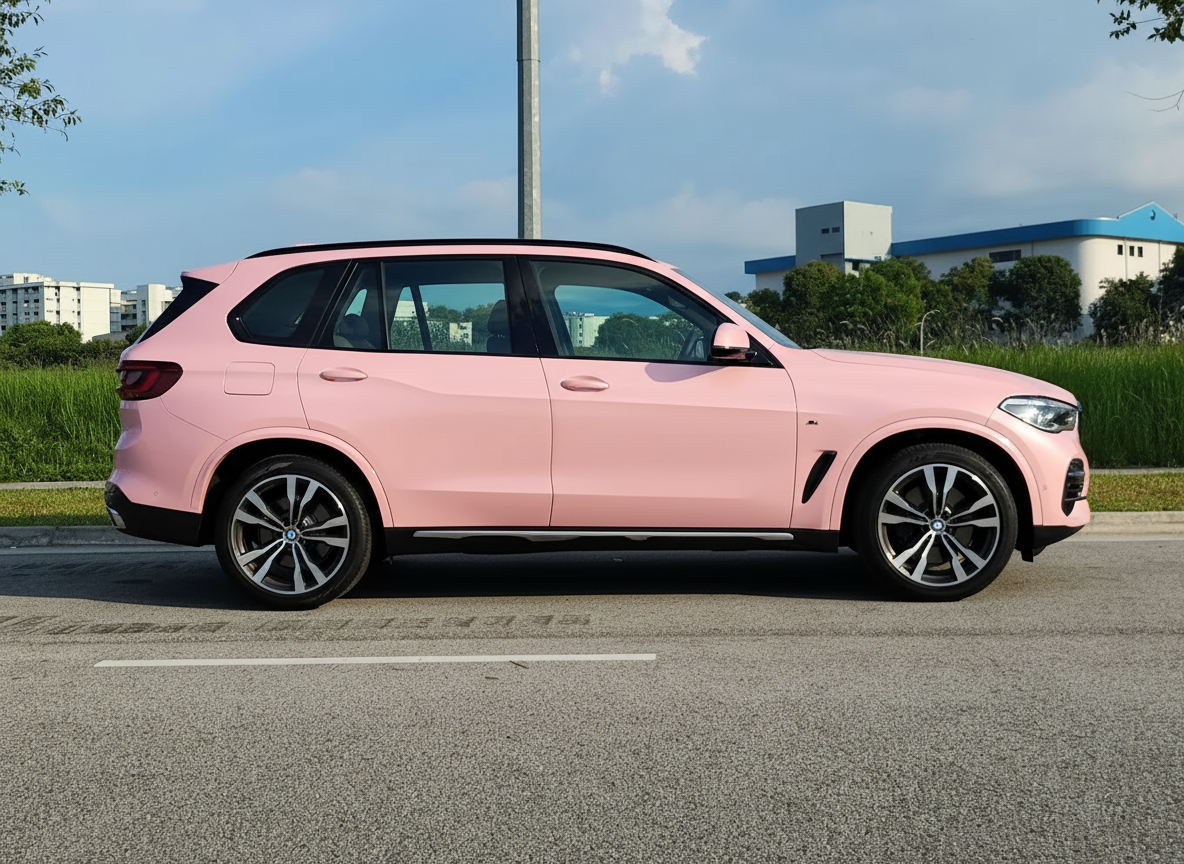
Start with the colour. Gloss finishes make colours pop. Pearl white looks elegant and clean. Gloss black looks deep and wet. If you want something bold, chrome wrap in gloss will turn heads, but it also shows every smudge. I recommend gloss over chrome only if you are willing to wipe it down regularly.
Next, consider your daily environment. If you park under direct sun for hours, a gloss car wrap from a reputable brand like 3M or Avery Dennison will resist fading better than a matte finish because gloss reflects more light. If you park in a garage, you can afford to go with a thinner vinyl like Oracal, which is cheaper and still looks great indoors.
Finally, get a free quote from a few shops. A good shop will let you preview the wrap on your own car before you commit. That preview is invaluable. You can see how the gloss catches light on your car's specific curves and contours. What looks good on a flat screen might look different on your bonnet.
Installation: What Happens When You Get It Done
A proper wrap installation takes two to three days. The car is washed thoroughly. Every panel is cleaned with alcohol to remove wax and oil. The installer measures and cuts the vinyl, often using a plotter or a Cricut for precision. Then they apply the vinyl panel by panel, using a heat gun to stretch it and a squeegee to flatten it. The edges are heat-sealed so water and dirt cannot get underneath. Finally, a laminate is applied on top to protect the gloss car wrap from the elements.
I have seen installations where the vinyl was not heated enough and the edges lifted within a month. I have also seen jobs where the installer skipped the laminate and the gloss faded to a dull haze in six months. Do not let that happen to you. Ask about the process. Ask about the brand of vinyl. Ask about the laminate. A good installer will answer without hesitation.
Maintenance Tips for a Gloss Wrap
Gloss wraps are easier to maintain than matte wraps. You can use a regular car wash soap and a soft cloth. Avoid abrasive sponges and wax-based products. Wax can leave a residue that dulls the gloss. If you get bird droppings or tree sap, clean them off quickly because the acid can etch the laminate. A quick spray with water and a wipe with a microfiber cloth is usually enough.
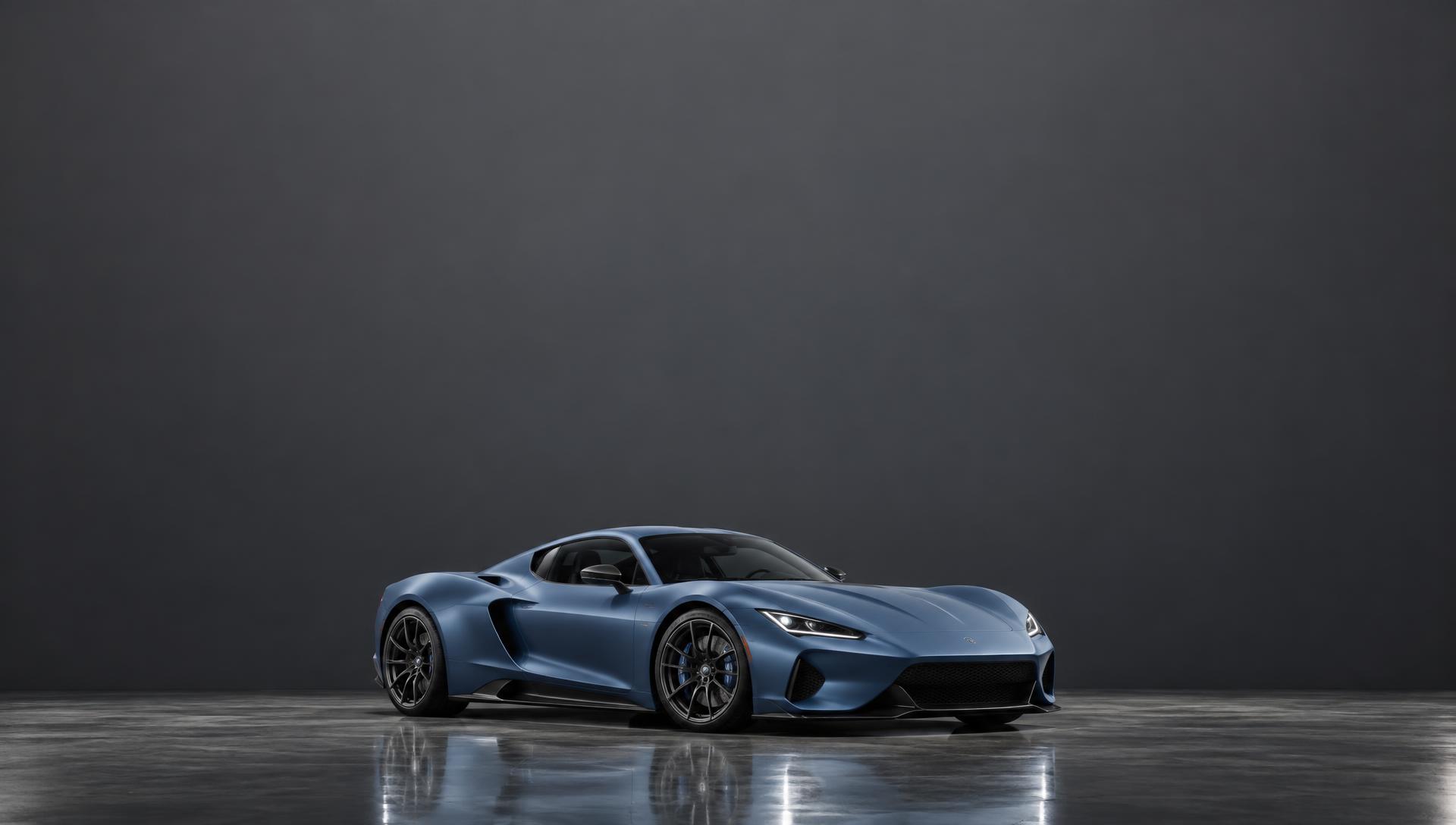
Do not take your wrapped car through a touchless car wash that uses high-pressure jets. The pressure can lift the edges of the vinyl. Hand washing is safer. In Singapore, where it rains almost daily, the water beads off a gloss wrap beautifully. That is another advantage of gloss over matte. The water runs off instead of sitting on the surface and leaving spots.
Final Thoughts
Choosing a gloss car wrap is not just about the look. It is about how the finish performs in real life. In a climate like Singapore, where heat and humidity test every material, a high-quality gloss wrap from 3M or Avery Dennison with a proper laminate will outlast a cheap matte wrap by years. It will protect your car paint underneath, and when you want a change, you can peel it off without damaging the original finish.
I have seen cars wrapped in gloss that still looked new after five years. I have also seen matte wraps that looked worn out after two. The choice is yours, but if you want something that stays shiny, resists dirt, and turns heads, a gloss car wrap is worth the investment. Get a free quote, preview it on your own car, and see for yourself what a difference the finish makes.
❧